Common Causes of Concrete Foundation Damage
To address common causes of concrete foundation damage, local contractors can evaluate issues like soil movement and water intrusion to provide effective repair solutions.
Understanding the common causes of concrete foundation damage is an important step for property owners looking to protect their investments. Issues such as soil movement, poor drainage, and temperature fluctuations can all contribute to cracks, settling, or shifting in a foundation over time. Recognizing these factors helps homeowners and property owners identify early warning signs and seek appropriate repair solutions before minor issues develop into more significant problems. Local contractors experienced in foundation repair can assess the specific conditions affecting a property and recommend practical, effective remedies to restore stability and prevent further damage.
Exploring the reasons behind foundation deterioration is especially relevant for those living in areas where soil conditions or weather patterns may accelerate wear and tear. Many property owners find that understanding these common causes encourages proactive maintenance and timely intervention. When foundation damage occurs, local service providers who specialize in foundation repair are equipped to address the root causes and implement tailored solutions. Staying informed about these factors can help property owners make well-informed decisions about repairs and ongoing care, ensuring the longevity and safety of their structures.
- When shifting soil causes cracks or unevenness in the foundation, local contractors can assess and stabilize the structure. - In cases of water intrusion or excessive moisture, local service providers can implement drainage solutions and repairs. - If concrete is deteriorating due to freeze-thaw cycles, local pros can restore and reinforce the foundation to prevent further damage. - When signs of settlement or sinking appear, local contractors can evaluate and perform underpinning or stabilization work. - For damage caused by tree roots or invasive vegetation, local specialists can remove obstructions and repair affected areas.
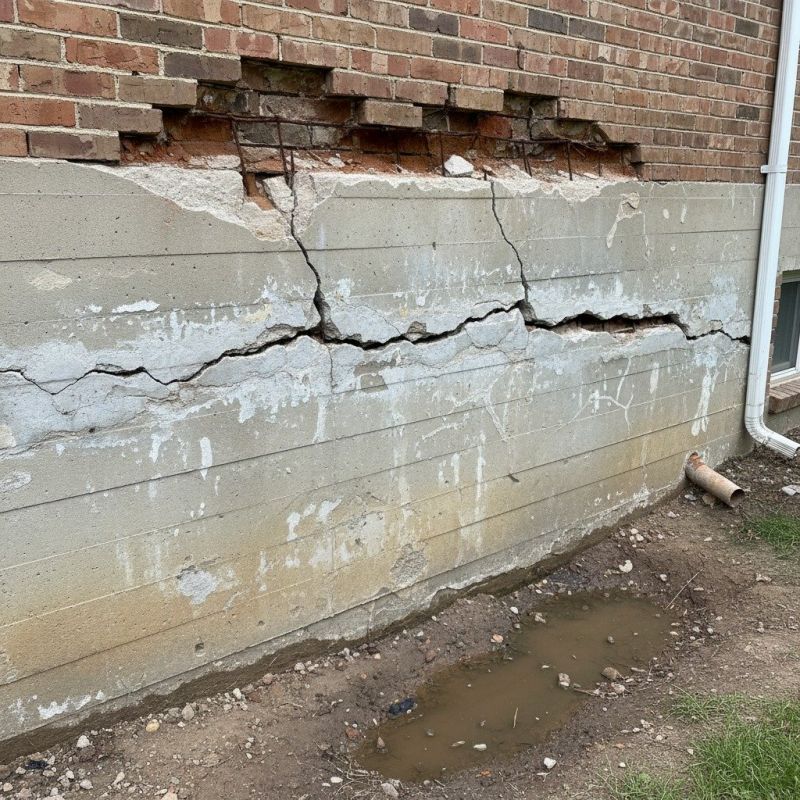
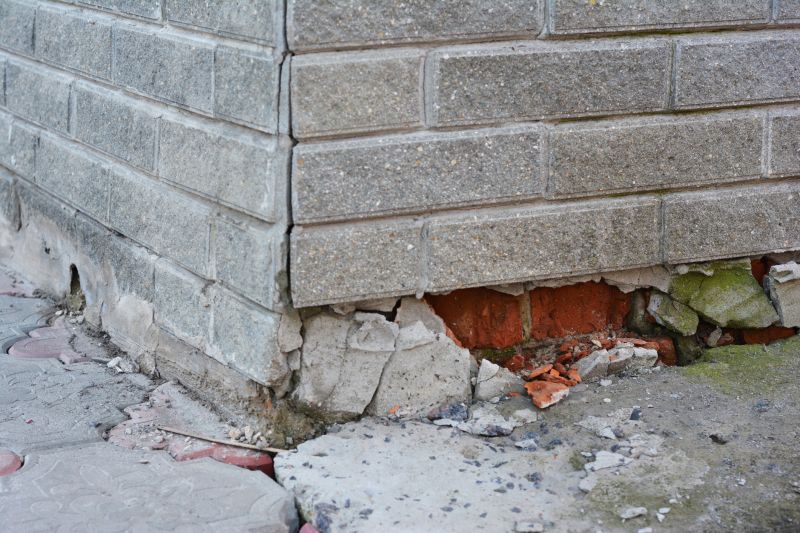
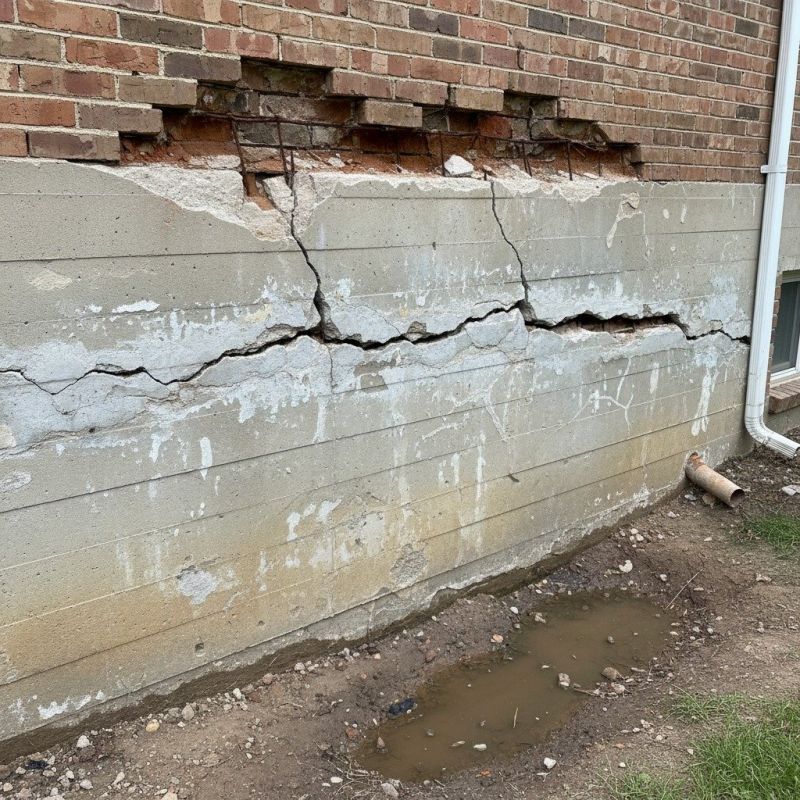
Understanding the common causes of concrete foundation damage is essential for homeowners who want to protect their property and maintain its structural integrity. When people search for this topic, they are often concerned about signs of foundation problems, such as cracks, uneven floors, or sticking doors, and want to learn what might be causing these issues. Foundation damage can stem from a variety of factors, including soil conditions, water management, and structural stresses. Recognizing these causes helps homeowners better understand potential risks and the importance of timely repairs, which local contractors specializing in foundation services can address effectively.
Many foundation problems are linked to the properties' location and the type of soil surrounding the foundation. Clay-rich soils, for example, tend to expand when wet and shrink when dry, exerting pressure that can crack or shift the concrete. Similarly, expansive or poorly compacted soils can lead to uneven settlement, causing cracks and instability. Homes built on slopes or in areas with significant soil movement are especially vulnerable. Local service providers often assess these soil conditions during inspections and recommend solutions like soil stabilization or drainage improvements to prevent further damage.
Water-related issues are among the most common causes of concrete foundation damage. Excess moisture from poor drainage, leaking pipes, or high water tables can weaken the soil supporting the foundation. When water accumulates around the base of a property, it can cause the soil to swell or wash away, leading to settlement or shifting of the foundation. Conversely, prolonged drought conditions can cause soil to shrink, creating gaps that compromise stability. Local contractors frequently offer drainage system upgrades, waterproofing, and moisture control services to address these issues and help preserve the foundation’s integrity.
Structural stresses and construction factors also contribute to foundation damage. Over time, heavy loads, improper construction techniques, or changes in the property’s use can put additional pressure on the concrete. For instance, installing large additions or failing to account for soil movement during construction can lead to cracks and settling. Additionally, natural events such as earthquakes or ground vibrations can induce stress on the foundation. Local foundation repair specialists are equipped to evaluate these causes and recommend appropriate repairs or reinforcements, ensuring the property remains stable and safe over the long term.
Concrete repair projects involve similar skills in assessing structural damage and using specialized tools to restore stability, making them related to foundation damage repair services.
Drainage system installations require planning and excavation work that can prevent or address water-related foundation issues caused by improper drainage.
Soil stabilization services focus on improving ground conditions to prevent shifting and settling, which are common causes of concrete foundation damage.
Retaining wall construction involves understanding soil pressure and proper reinforcement, skills that are useful when dealing with foundation settlement problems.
Crack injection and sealing projects are similar in their focus on repairing existing damage and preventing further deterioration in concrete structures.
Site excavation and grading require planning and precise work to ensure proper drainage and prevent water infiltration that can lead to foundation damage.
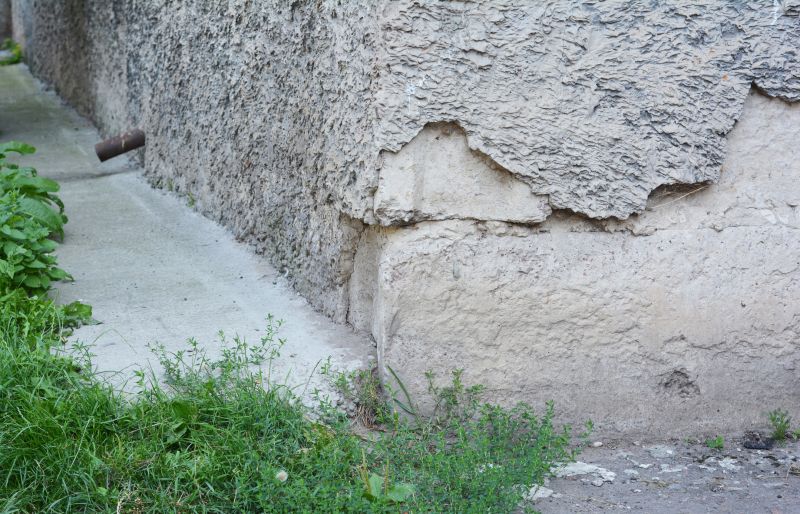
When evaluating service providers for foundation damage repair, it is important to consider their experience with similar projects. Homeowners should inquire about the types of foundation issues they have addressed and request details about past work related to common causes of concrete foundation damage. Contractors with a history of handling comparable cases are more likely to understand the specific challenges involved and provide effective solutions. Clear, written expectations are also essential to ensure that both parties are aligned on the scope of work, materials, and procedures involved in the repair process. Having detailed documentation helps prevent misunderstandings and provides a reference point throughout the project.
Reputable references and reviews from previous clients can offer valuable insights into the reliability and quality of a service provider’s work. Homeowners are encouraged to ask for examples of completed projects similar to their situation and to seek feedback on the contractor’s professionalism, craftsmanship, and adherence to timelines. These references can help gauge whether the service provider consistently delivers satisfactory results and handles common causes of concrete foundation damage effectively. Additionally, good communication is key to a smooth repair process; service providers who are responsive, transparent, and willing to answer questions contribute to a more confident decision-making experience.
Ultimately, comparing local contractors involves assessing their experience, clarity in communication, and reputation within the community. Homeowners should look for service providers who demonstrate a clear understanding of foundation issues caused by factors such as soil movement, moisture intrusion, or poor drainage. Ensuring that the contractor can explain their approach in straightforward terms and provide references from satisfied clients can help establish trust. Selecting a professional who communicates well and has a proven track record of managing similar foundation repairs can lead to a more successful and stress-free resolution of foundation damage concerns.
Property owners often search for common causes of concrete foundation damage when they are planning practical projects around their homes and businesses. Local pros provide Foundation Damage Repair services for everyday jobs and straightforward project options.
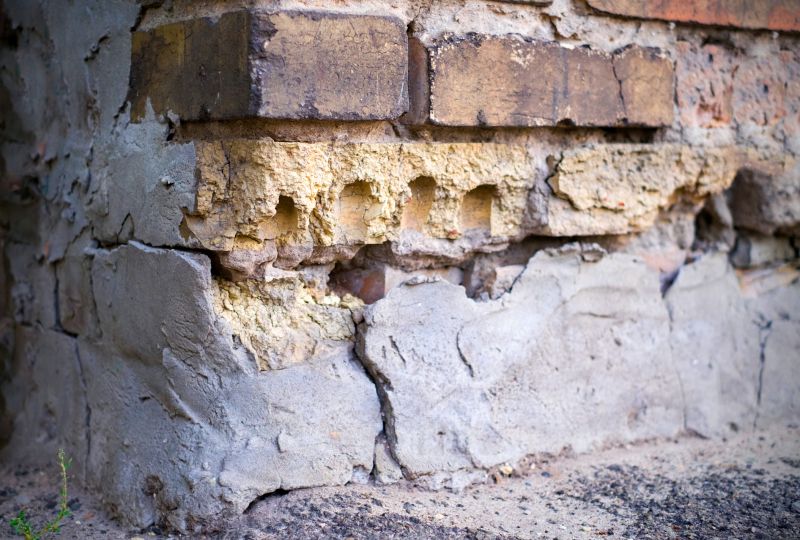
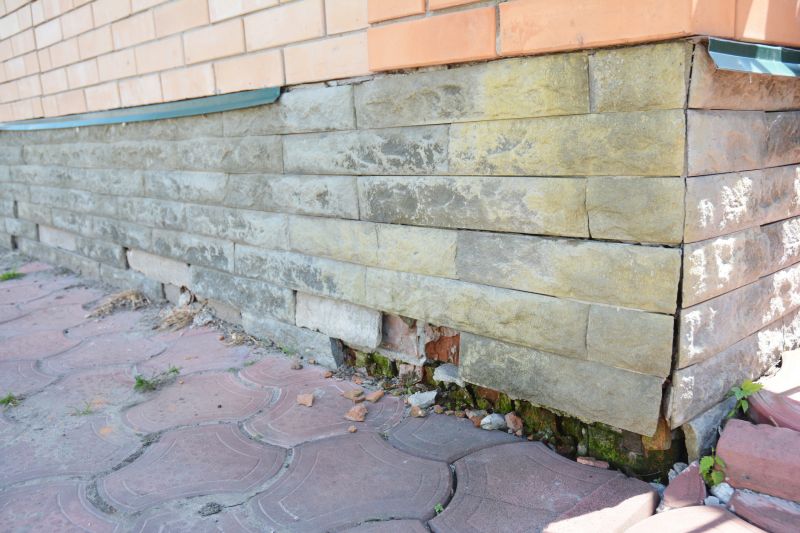
Understanding the common causes of concrete foundation damage can help property owners recognize early warning signs and seek timely repairs. In many cases, issues such as soil movement, poor drainage, or improper construction practices are behind foundation problems. For example, shifting or expanding soil due to moisture changes can exert pressure on the foundation, leading to cracks or settling. Additionally, inadequate drainage around a property can cause water to pool near the foundation, increasing the risk of erosion and weakening the structure over time.
Homeowners in the area often look into foundation damage repair services when they notice symptoms like uneven floors, cracked walls, or sticking doors. These issues may stem from underlying causes such as tree roots growing too close, which can disturb underground soil, or recent heavy rainfall that saturates the ground. Local contractors experienced in foundation repair can assess these everyday project situations and provide solutions to restore stability and prevent further damage. Connecting with qualified service providers ensures that foundation concerns are addressed effectively and safely.
What are common causes of concrete foundation damage? Common causes include soil movement, poor drainage, and improper construction practices that can lead to cracks and settling in the foundation.
How does soil movement affect foundation health? Soil movement from expansion, contraction, or shifting can exert pressure on the foundation, causing cracks and structural instability.
Can water-related issues damage a concrete foundation? Yes, poor drainage and excess moisture can weaken the soil supporting the foundation, leading to erosion, swelling, or settling that damages the structure.
What role does poor construction play in foundation damage? Inadequate foundation design or improper installation can create vulnerabilities, making the concrete more susceptible to cracking and shifting over time.
How can local contractors help prevent or repair foundation damage caused by these issues? Experienced service providers can assess the underlying causes and perform repairs such as reinforcement, waterproofing, or soil stabilization to restore foundation stability.
Water drainage issues - Ensuring proper grading around the foundation can prevent water from pooling and causing damage; local contractors can evaluate and improve drainage systems.
Soil movement - Recognizing signs of shifting soil, such as cracks or uneven floors, allows property owners to seek foundation stabilization services from experienced specialists.
Poor construction practices - Identifying construction flaws early can lead to repairs by local service providers who specialize in correcting foundational weaknesses.
Tree roots and vegetation - Managing nearby roots and removing invasive plants can reduce pressure on the foundation, with local pros offering root barrier installation and related solutions.
If you are thinking about common causes of concrete foundation damage for a property, this guide is meant to help you understand this topic, the typical project types, and how different options might fit your plans.
When you are ready, you can use the quote form on this page to share a few details about your project. From there, local pros can review the basics and follow up with options that match what you have in mind.